Seasonal embroidery designs
Blossoms and watering cans for spring, sunglasses and popsicles for summer, acorns and oak leaves for fall, snowflakes and mittens for winter: our seasonal embroidery designs follow the whole year. Many of these designs are free, and each is ready as PES, DST, JEF, EXP, VP3 or one of the other formats.
Tip: sew a set of envelope-back pillow covers, one per season, and you can change the room in a minute.
20 designs
- Free
- Free
- Free
- Free
- Free
- Free
- Free
- Premium
- Free
- Free
- Free
- Premium
- Free
- Free
- Premium
- Premium
- Free
- Free
- Free
- Free
Four seasons of motifs
Each season has its own section, filled with motifs you can use for weeks rather than for a single day:
- Spring designs: potted spring flowers, blossoms, birds and watering cans.
- Summer designs: sunglasses, popsicles, suns and flip-flops.
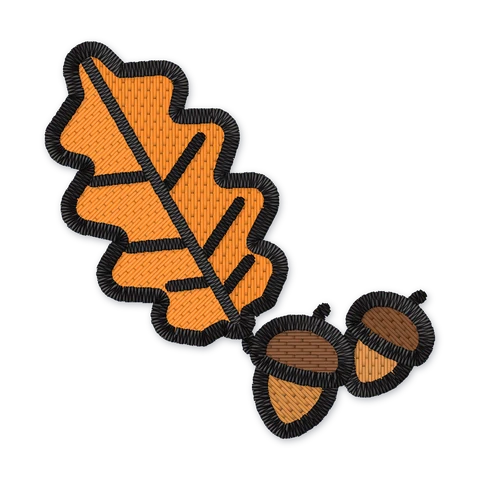
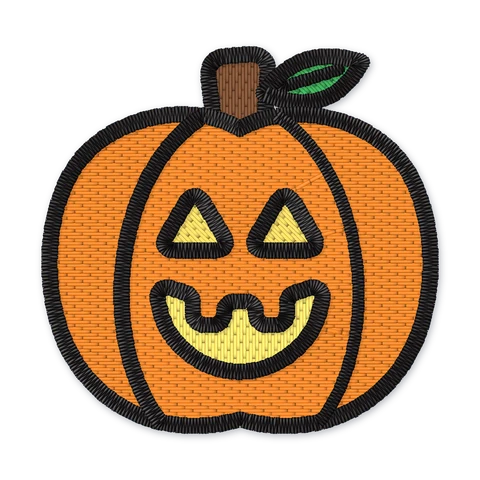
- Fall designs: acorns, oak leaves, pumpkins and cozy knit sweaters.
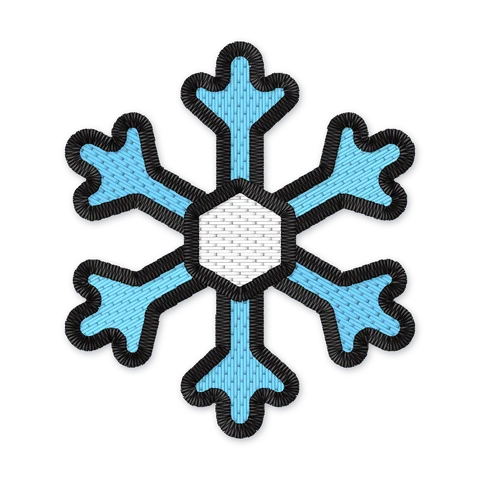
- Winter designs: chunky snowflakes, mittens, hot cocoa and snowy pines.
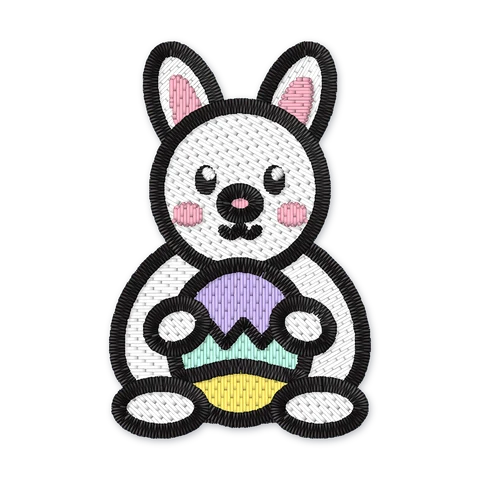
Motifs that belong to one date, such as Easter bunnies, jack-o'-lanterns or Santa, are in the holiday designs. That split is useful: seasonal embroidery designs can stay on the table runner or the sweatshirt long after the holiday is over.
Decor you can rotate
Kitchen towels, cushion covers, table runners and placemats are the classic pieces to swap as the year turns. A 125 mm (4.9 in) snowy pine or potted flower fills the center of a pillow cover in a 5x7 hoop, while the 70 mm and 95 mm sizes suit napkin corners, dish towels and the ends of a table runner.
Keep the same thread palette across a set, for example the same green in the spring leaves and the summer palm, and your rotating decor will look like it belongs together.
Fabrics for each season
The items change with the weather, and so do the backings:
- Spring and summer linens: cotton and linen napkins and dish towels take a firm tear-away; thin flour-sack towels need a mesh cut-away or a light tear-away and a firm hooping.
- Summer towels: a water-soluble topping keeps stitches above the terry loops.
- Fall sweatshirts and flannel: a cut-away and a ballpoint needle on knits, a tear-away on stable flannel.
- Winter fleece and knit hats: a topping on top and a cut-away below.
Plan ahead
For home decor and gifts, start a few weeks before the season begins, so the towels are ready on the first warm or cold day. If you sell seasonal items, list them before the season, since many shoppers buy ahead, and check that your plan includes a commercial license on the pricing page.
Frequently asked questions
What is the difference between seasonal and holiday embroidery designs?
Seasonal designs show the weather, nature and activities of a season, so they work for weeks or months. Holiday designs belong to one date and its symbols, such as a menorah, a jack-o'-lantern or the Christmas designs with Santa and stockings. A snowflake can stay up all winter; a Santa usually comes down in January.
When should I start stitching for the next season?
Start about a month ahead for your own home and for gifts, and earlier if you sell or have many items to stitch. Fall projects often begin in late summer, and winter projects in early fall. Holiday dates differ by country, so check the calendar in your country before you plan a holiday piece.
Do seasonal designs work in the Southern Hemisphere?
Yes. The designs show seasons, not dates, so you simply use them in your own months: summer motifs from December to February in Australia, New Zealand or South Africa, and snowflakes and mittens in June or July. Holiday motifs like Christmas still follow the calendar, even when it falls in summer.
Which stabilizer should I use for seasonal napkins and table runners?
A firm tear-away that removes cleanly, because the back of a napkin is often seen. On loosely woven linen, use a no-show mesh cut-away instead and trim it close to the stitches, so the design does not pull the weave out of shape. Polyester thread keeps its color through many hot washes.